Morning or late afternoon
In brief
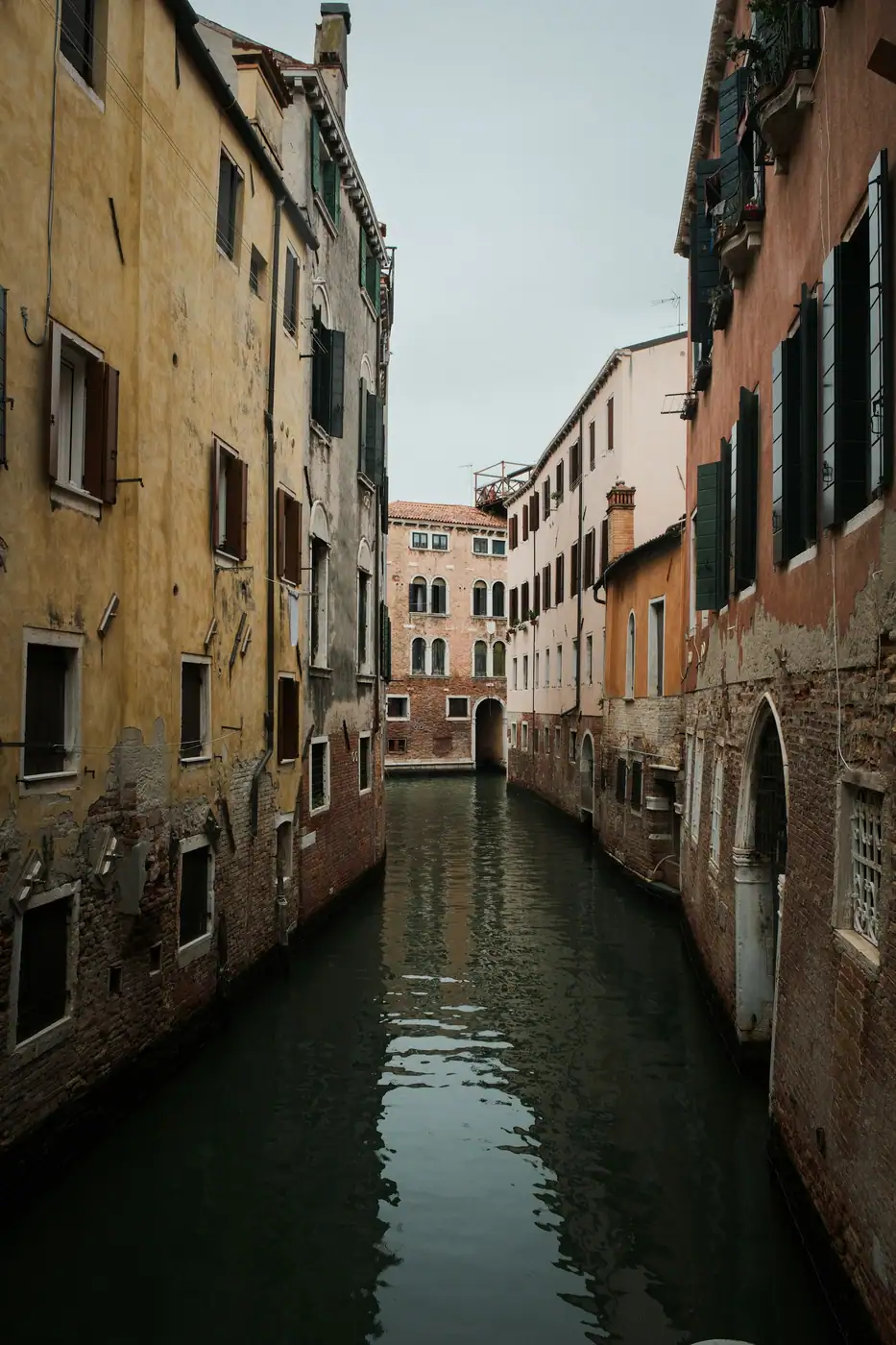
The Ghetto of Venice, established in 1516 in Cannaregio, was the first ghetto in the world and gave the word its name. Around the wide Campo del Ghetto Nuovo, its houses rise higher than anywhere else in the city — a sign of how many people were confined here.
Best for couples marrying in the Ghetto's synagogues, and for quiet, meaningful portraits in a historic neighbourhood.
The Venetian Ghetto
The Ghetto of Venice was established in 1516 in Cannaregio. It was the first ghetto in the world, and its name comes from the Venetian word for the foundry (geto) that once stood here. Around the wide Campo del Ghetto Nuovo, the houses rise higher than anywhere else in the city, a sign of how many people were confined here.
Today it's still the heart of Jewish life in Venice, with synagogues, a museum, kosher bakeries and memorials.
Photographing in the Ghetto respectfully
This is a place of memory and a living community. We photograph in the public campo and streets, keep away from memorials and religious buildings as backdrops, and respect residents' privacy. The campo, with its wells and tall facades, gives quiet, meaningful portraits.
For Jewish weddings
It's the natural setting for portraits during a Jewish wedding held at the Ghetto synagogues.
Getting there
The Ghetto is about ten minutes on foot from the railway station, via the Ponte delle Guglie and the Cannaregio canal. It's a beautiful stop in any Cannaregio session. A couple with one photographer working light doesn't need a permit. Larger crews, set equipment or anything that blocks the way needs authorisation from the Comune di Venezia.
A respectful route through the Ghetto
- Start at the Ponte delle Guglie on the Cannaregio canal.
- Walk through the narrow sotoportego into the Ghetto Vecchio.
- Reach the Campo del Ghetto Nuovo, with its tall houses and wellheads.
- Continue to the Fondamenta degli Ormesini and the Misericordia for golden light.
The Ghetto through the seasons
The campo is open to the sky, so it gets good light all year. In summer, early morning is cool and quiet; in winter, the late afternoon sun warms the facades. Remember the Jewish calendar: on Shabbat (from Friday evening to Saturday evening) and on festivals, the community's life follows its own rhythm, and we're especially discreet.
Photo ideas
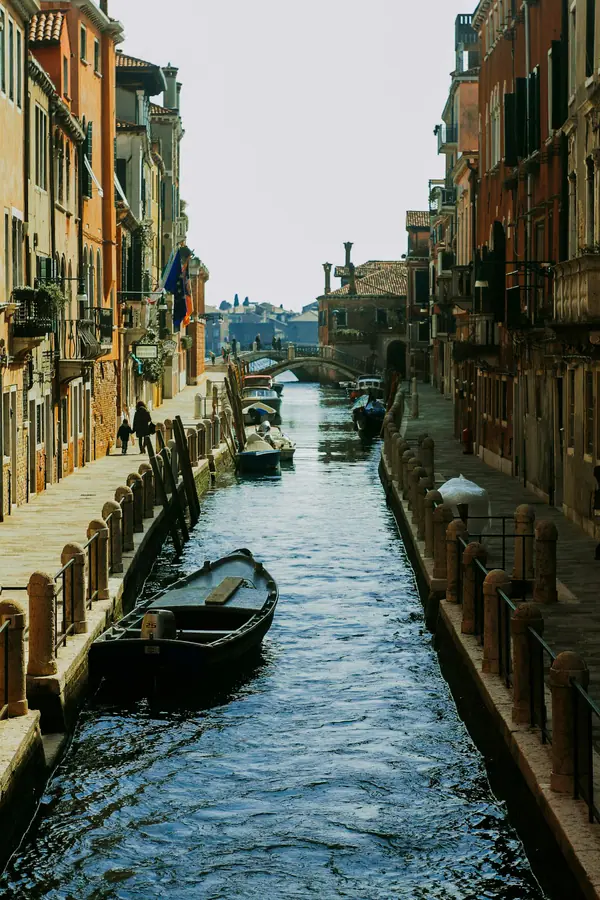
The unusually tall houses make dramatic vertical frames. The wellheads and benches of the campo give natural places to pause. The canal that surrounds the Ghetto, with its bridges and fondamente, is ideal for quiet portraits.
Combine it with
The synagogues are inside the campo's buildings. Madonna dell'Orto and the canals of Cannaregio continue the route.
A short history of the Venetian Ghetto
In 1516 the Republic required the city's Jews to live in the area of an old foundry (geto) in Cannaregio, closed at night by gates. Over time the community grew, with Jews from Germany, Italy, the Levant and Spain building their own synagogues. Because space was limited, houses were built upward, reaching seven or eight floors. The gates were removed at the end of the 18th century, but the Ghetto remains a living centre of Jewish life.
Getting to the Venetian Ghetto
From the railway station, walk along the Lista di Spagna to the Ponte delle Guglie, then turn left along the Cannaregio canal: the entrance to the Ghetto is a few minutes away. The nearest vaporetto stops are Guglie and Crea.
Respect and etiquette
The Ghetto is a residential neighbourhood and a place of memory. We avoid photographing memorials as backdrops, respect residents' privacy and keep sessions discreet, especially on Shabbat and Jewish festivals.
If it rains
The sotoporteghi (covered passages) leading into the Ghetto offer shelter, and the Jewish Museum and kosher cafés nearby are good places to wait out a shower.
What to wear for photos in the Ghetto
Modest, elegant clothing suits the atmosphere of the neighbourhood, especially near the synagogues. Soft neutrals and deep colours look beautiful against the tall ochre and grey facades.
How long to plan for
Thirty to forty-five minutes in the Ghetto is enough for a respectful set of portraits. Most couples continue along the Cannaregio canals for a longer session.
Accessibility and a place to celebrate
The route from the station to the Ghetto crosses the Ponte delle Guglie, which has steps, but the campo itself is flat and open. From the Guglie vaporetto stop there are fewer bridges. Afterwards, the Fondamenta degli Ormesini and the Misericordia, a few minutes away, are lined with bacari and restaurants, and kosher options are available around the Ghetto itself.
Tips for a photoshoot at The Venetian Ghetto
- Be respectful — this is a place of memory and a living community.
- Avoid photographing memorials as a backdrop.
- Morning and late afternoon give the softest light in the campo.
The Venetian Ghetto: frequently asked questions
Can you take photos in the Venice Ghetto?
Yes, in the public campo and streets, with respect for residents, memorials and places of worship.
When was the Venice Ghetto founded?
In 1516.
Where is the Ghetto in Venice?
In Cannaregio, about ten minutes' walk from the railway station.
Why is it called the Ghetto?
The name comes from the Venetian word geto, a foundry that stood in the area before 1516.
Can you visit the Venice Ghetto synagogues?
Yes, with guided tours organised by the Jewish Museum of Venice.
Is the Venetian Ghetto worth visiting?
Yes. It's one of the most historic Jewish quarters in Europe, with a museum, synagogue tours and a quiet, authentic atmosphere.
No permit needed for a couple and a photographer working light; larger crews, sets or anything that blocks passage need the Comune's authorisation
Cannaregio, 10 minutes from the railway station
Historic, residential, tall houses around a large campo
Quiet
Jewish wedding or couple session
Let's turn your vision into timeless images
Tell us your date and vision — we'll handle the rest, and reply personally within one business day.
Now booking 2026–2027 · limited dates